
Understanding Why Your Tobacco Scan Data Isn’t Sending Automatically
Danielle Dixon | 10 Min Read

Fuel costs have always been a major operational expense, but they’ve become harder to predict in recent years. Price fluctuations, tighter margins, and small inefficiencies can all add up quickly over time.
FACT: According to DohAssist, even a 1% loss in fuel—whether from theft, meter inaccuracies, or other discrepancies—can cost a typical station pumping 150,000 gallons over $4,500 per month in lost product before it’s ever sold.
At the same time, many businesses still rely on manual logs, delayed reports, or disconnected systems to track fuel usage. That often means limited visibility and slower responses when issues arise.
That’s where real-time fuel tracking comes in.
A modern fuel management system provides up-to-date visibility into fuel levels, transactions, and usage across your operations. Instead of reacting after the fact, you can spot issues early and take action sooner. The result is better control, fewer discrepancies, and more consistent cost savings over time.
In this post, we’ll break down what real-time fuel tracking is, how it works, and why it’s becoming a standard capability within modern fuel management systems. We’ll also explore how it helps reduce costs, improve efficiency, and support more informed decision-making through real-time fuel efficiency tracking.
Real-time fuel tracking is a core capability of a modern fuel management system that allows businesses to monitor fuel activity as it happens—or near in real-time—rather than relying on delayed or end-of-day reporting.
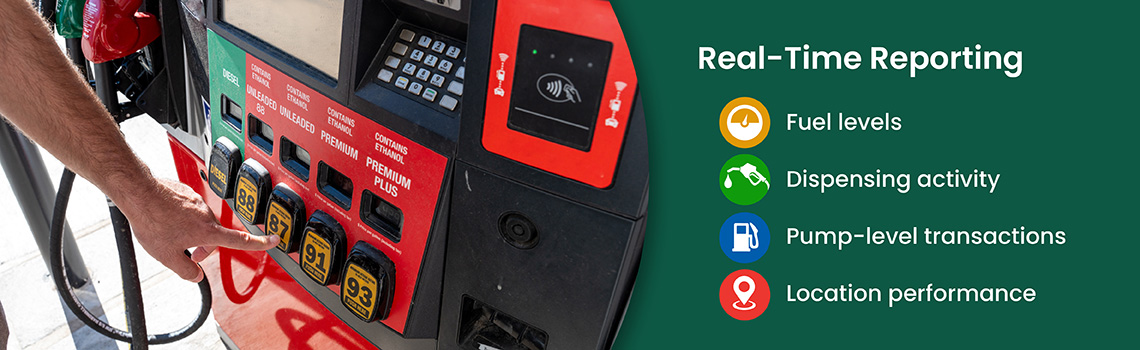
Instead of manually compiling logs or reviewing periodic reports, businesses can access continuous updates on:
Traditional fuel tracking methods typically involve manual entry, spreadsheets, and batch reporting. While these approaches can work, they introduce delays between when activity occurs and when it’s reviewed.
Real-time tracking addresses that gap by providing immediate visibility into operations, including real-time fuel efficiency tracking that helps you see how fuel is being used moment-to-moment. This allows businesses to identify discrepancies sooner, respond to issues faster, and maintain more accurate control over fuel usage.
Today, live data visibility is increasingly expected within fuel management systems. Businesses aren’t just looking for tools that record data—they want systems that deliver timely insights to support daily operational decisions.
This is where things really start to show up in day-to-day operations.
Instead of checking tanks manually or waiting on reports, you can monitor fuel levels across all locations in real-time. That makes it easier to avoid running out, plan deliveries more efficiently, and reduce those last-minute, costly refills.
If something looks off—like a sudden drop in fuel levels or unusual usage—the system can alert you right away. That gives you a chance to investigate before small issues turn into bigger losses and strengthens fuel theft prevention in real-time.
For a deeper look at dashboards and alerts that help catch fuel theft and inefficiencies, read our real-time fuel monitoring guide.
For fleet operations, real-time data can help you optimize routes based on fuel usage. Even small improvements here can lead to noticeable savings over time.
With Allied Controller Box (ACB) integration, your fuel dispensing system can connect directly with your POS system. That helps keep pump activity and sales data aligned, reducing mismatches and making reconciliation easier.
With FTx POS fuel integration, this connectivity extends beyond reconciliation, giving you real-time visibility into both dispensing activity and transactions. Learn more about how fuel integration works with FTx POS.
You get a clear view of how much fuel is being dispensed, pumped, and filled through real-time fuel efficiency tracking. That level of visibility helps you understand usage patterns and catch anything that doesn’t seem quite right.
Payments at the pump are recorded alongside dispensing activity, so transactions line up with actual fuel usage. That helps keep records accurate and easier to manage.
Instead of waiting for end-of-day summaries, you can see fuel sales as they happen. That makes it easier to keep an eye on performance throughout the day.
Real-time systems automatically compare expected inventory with actual levels. That makes reconciliation quicker and reduces the need for manual checks.
Many systems use AI and business intelligence (BI) tools to analyze both live and historical data. Over time, this helps you spot trends, improve forecasting, and make better inventory decisions.
Some platforms also support automated pricing updates based on rules or market conditions, which helps reduce manual work and keep pricing consistent.
Beyond cost savings, real-time tracking also improves how your team operates day to day in ways that aren’t always obvious at first.

Instead of discovering issues after the fact, you can catch unusual spikes or irregular usage as they occur. This makes it easier to address inefficiencies quickly and prevent small issues from turning into ongoing losses.
Automating fuel tracking removes the need for manual data entry and spreadsheet-based reporting. That means fewer errors, less administrative work, and more time for your team to focus on higher-priority tasks.
With centralized, accurate data, meeting requirements like United States Environmental Protection Agency (EPA) fuel reporting becomes much more straightforward. Everything is already documented and organized, which simplifies audits and reduces the risk of reporting errors.
Instead of relying on end-of-day or periodic reports, you’re working with live data. This allows you to respond to issues as they happen rather than reacting after delays.
For businesses managing more than one site, centralized visibility makes it easier to oversee operations without checking each location individually. You can monitor performance and activity across all sites from a single platform.
When something doesn’t match expected levels or patterns, the system flags it automatically. This helps you identify and resolve inconsistencies faster while supporting ongoing fuel theft prevention across your operations.
Want to take a closer look at how to keep fuel inventory accurate in practice? Explore a practical guide to fuel inventory best practices for gas stations.
Tracking usage over time gives you insight into patterns that inform smarter decisions. From ordering schedules to operational adjustments, these trends help you plan with more confidence.
Modern systems are designed to work with your current hardware, minimizing disruption during setup. This allows you to enhance your operations without needing to overhaul your existing infrastructure.
Whether you operate one location or many, everything can be managed from a centralized system. This keeps operations consistent while still allowing visibility into individual site performance.
With the help of analytics and forecasting tools, some systems can anticipate fuel demand and suggest reorder timing. This helps reduce the risk of shortages while avoiding unnecessary overstocking.
Real-time fuel monitoring is especially helpful for businesses that rely on fuel as part of their everyday operations. Whether you’re managing vehicles, moving inventory, or running multiple locations, having up-to-date visibility into fuel usage makes it easier to stay organized, keep costs in check, and avoid surprises.
Here are a few of the industries that benefit most:
Retail distribution businesses that rely on transportation and fuel-heavy logistics can use real-time tracking to improve routing, reduce fuel usage, and better control costs.
With visibility into fuel consumption across vehicles and routes, it’s easier to spot inefficiencies, adjust planning, and avoid unnecessary fuel spend. Real-time insights also help flag unusual usage early, so issues can be addressed before they become bigger problems.
Convenience stores with fuel pumps benefit from improved inventory visibility, more accurate transaction tracking, and clearer insight into fuel sales across locations.
Real-time monitoring makes it easier to track fuel levels and pump activity without relying on delayed reports or manual checks. This helps reduce discrepancies, streamline reconciliation, and gives operators a clearer view of performance across each location.
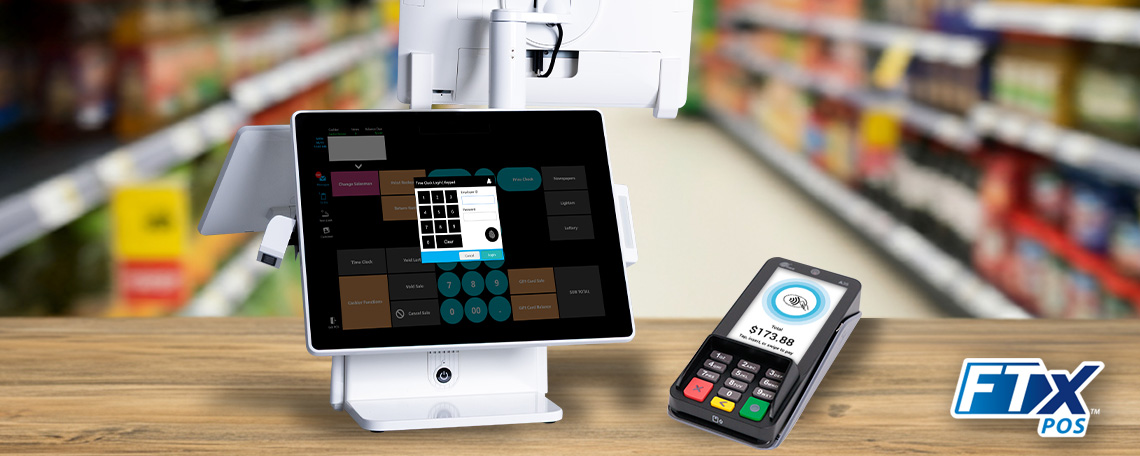
For convenience stores looking to keep fuel and store operations running smoothly, FTx POS brings everything together—linking fuel data with point-of-sale activity so you can track inventory, pump activity, sales, and reporting in one place. Check out FTx POS convenience store solutions.
If you’re comparing fuel tracking systems, the goal is to find one that fits your operations and makes day-to-day management easier—not more complicated. The right solution should improve visibility, reduce manual work, and support how your team operates.
With that in mind, here are the key features and factors to look for:
Live visibility into fuel activity is the foundation of a modern fuel management system. It allows you to monitor usage as it happens, identify discrepancies quickly, and make decisions based on up-to-date information rather than delayed reports.
A single dashboard gives you a unified view of your operations across all locations. This makes it easier to compare performance, spot trends, and manage multiple sites without switching between disconnected tools.
Make sure the system integrates with your existing POS, dispensers, and other hardware or software you already rely on. Strong integrations help ensure data flows smoothly between systems and reduces the need for manual entry or workarounds.
If you’re evaluating options, understanding how POS and fuel systems work together is key to avoiding data gaps and manual reconciliation. Read more about key fuel integration features for gas station POS systems.
Built-in compliance support helps ensure your reporting aligns with regulatory requirements. This not only saves time but also reduces the risk of errors when preparing or submitting reports.
Supporting a range of payment options at the pump improves both operational flexibility and customer experience. It allows you to accommodate different preferences without adding complexity to your setup.
AI-driven forecasting can help you anticipate demand and plan fuel orders more effectively. By analyzing usage patterns, the system can help reduce the risk of running out of fuel or overstocking inventory.
Mobile access gives you the ability to monitor operations from anywhere. Whether you’re managing multiple sites or just stepping away from the office, you can still stay informed and in control.
While upfront cost is important, it’s equally important to consider long-term value. A system that improves efficiency, reduces waste, and saves time can often pay for itself over time.
Choose a system that can grow with your business. Whether you’re adding more locations, pumps, or users, the platform should be able to scale without requiring a complete overhaul.

A simple, intuitive interface makes a big difference in day-to-day operations. The easier the system is to use, the faster your team can adopt it and the less training and friction you’ll encounter.
Automation helps reduce manual tasks like data entry, reporting, and reconciliation. This not only saves time but also minimizes the chance of human error.
If you’re managing multiple sites, centralized control is essential. Look for a system that allows you to oversee all locations from one place while still maintaining visibility at the individual site level.
At the end of the day, real-time fuel tracking gives you something most businesses are looking for: clarity.
Instead of guessing or reacting after the fact, you’re working with accurate, up-to-date information that helps you stay in control. That means less waste, fewer discrepancies, better visibility across locations, and improved real-time fuel efficiency tracking that supports smarter decision-making overall.
And as your operations grow, having a centralized, real-time fuel management system in place makes scaling much more manageable.
If fuel plays a big role in your business, it’s worth exploring how a real-time system could fit into your setup—you may find that having everything connected and visible in one place makes a bigger difference than expected.
A fuel management system with real-time tracking reduces operating costs by giving you immediate visibility into fuel usage. This makes it easier to spot waste, prevent unauthorized usage, and catch discrepancies early.
With better visibility, you can also improve inventory planning, avoid emergency fuel deliveries, and reduce the time spent on manual reconciliation—all of which help lower overall operating expenses.
Allied Controller Box (ACB) integration connects your fuel dispensing system to your POS system, allowing the two to communicate in real-time.
The ACB acts as a bridge between pumps and your POS, so fuel transactions at the pump are automatically recorded and synced. This helps keep sales data aligned with dispensing activity, making reconciliation faster and more accurate while reducing manual work.
Savings vary depending on the size of the operation and current processes, but businesses often see meaningful reductions in fuel-related losses.
The biggest savings typically come from reducing waste, preventing theft, improving inventory accuracy, and minimizing manual errors. Over time, even small improvements in visibility and control can lead to noticeable cost savings.
Fuel data may not sync automatically due to integration issues, configuration errors, network connectivity problems, or limitations in older hardware.
In a properly set up fuel management system with real-time capabilities, data should sync automatically. If it isn’t, it usually points to a setup, connectivity, or compatibility issue that needs to be addressed.
Industries that rely heavily on fuel tend to benefit the most, especially those managing multiple vehicles, locations, or high fuel volumes.
This includes retail fuel stations, logistics and transportation companies, fleet operations, agriculture, construction, and government fleets. Real-time tracking helps these businesses improve control, reduce waste, and operate more efficiently.
Fuel tracking is generally straightforward to implement, especially with modern systems designed to integrate with existing equipment.
Most setups involve configuring integrations with POS systems and dispensers, along with basic training for staff. Once implemented, much of the tracking and reporting runs automatically in the background.
Main key performance indicators (KPIs) for fuel efficiency include fuel consumption per vehicle or location, fuel cost per unit, miles per gallon (or equivalent efficiency metrics), and fuel variance between expected and actual usage.
It’s also helpful to track inventory turnover, fuel loss or shrinkage, transaction patterns, and, for fleets, metrics like idle time. Monitoring these KPIs helps identify trends, inefficiencies, and opportunities for improvement.


Danielle Dixon | 10 Min Read
Danielle Dixon | 11 Min Read
Danielle Dixon | 7 Min Read