
Customize Discounts by Customer, Product, or Promotion with FTx POS
Danielle Dixon | 15 Min Read

Getting customers to spend just a little more per visit is one of the toughest parts of running a retail business. You’ve got foot traffic, you’ve got interest… but baskets aren’t aren’t always as full as you’d like.
Sound familiar?
Here’s the shift: instead of focusing only on getting more customers, what if you focused on helping the customers already in your store buy more per visit—without feeling pushed?
That’s where volume discounts come in.
They’re not just a pricing tactic—they’re a smart, strategic way to increase sales, move inventory faster, and create a better customer experience all at once.
In this post, we’ll break down how quantity-based pricing actually works in retail, why it’s so effective, and how you can use it to grow revenue in a way that feels natural (not forced).
At its core, the idea is simple: the more a customer buys, the more they save.
Instead of offering a flat discount on a single item, you’re rewarding customers for increasing their purchase quantity or total spend.
Think:
It’s a small shift—but it completely changes how customers think about spending in your store. Instead of asking, “Do I need this?” they start asking, “How can I maximize this deal?”
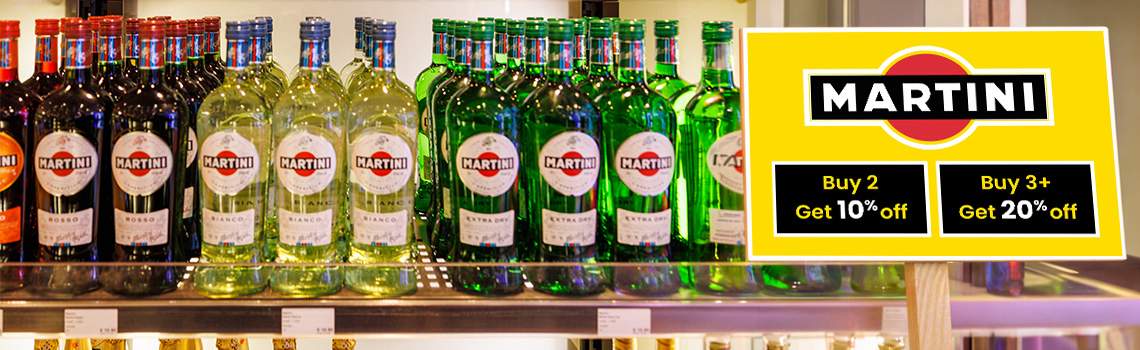
If you want quantity-based promotions to actually drive results, it’s not just about offering a deal—it’s about how you structure it. The right approach can nudge customers to spend more without overthinking it.
Here are a few proven volume pricing examples to consider:
With tiered savings, the discount grows at each purchase level.
Example:
It creates a natural incentive to “level up” the purchase. Customers feel like they’re unlocking better value as they go.
Bulk pricing offers a lower cost per unit when shoppers buy in larger quantities.
Example:
This works especially well for everyday items, consumables, or products customers already plan to repurchase.
These are flexible promotions tied to spending thresholds rather than quantity.
Example:
Threshold-based offers are powerful because they apply across multiple products, making it easier for shoppers to reach the next tier.
Most retailers already use some form of sales discounting—but the real impact comes from combining quantity-based pricing with loyalty strategies.
For example:
Now you’re doing two things at once: increasing basket size and encouraging repeat visits.
Retailers that layer multi-buy offers into loyalty campaigns consistently see stronger engagement, higher spend per visit, and better long-term customer retention.
In fact, businesses using loyalty platforms like Loyal-n-Save have seen measurable increases in basket size and repeat visits—especially when volume discounts are paired with personalized offers based on customer behavior.
You can see how retailers are putting these strategies into action in real-world case studies from businesses we work with.
Quantity-based promotions work because they align with how people like to shop.
When buying more feels like getting a better deal, customers are naturally encouraged to add just one more item.
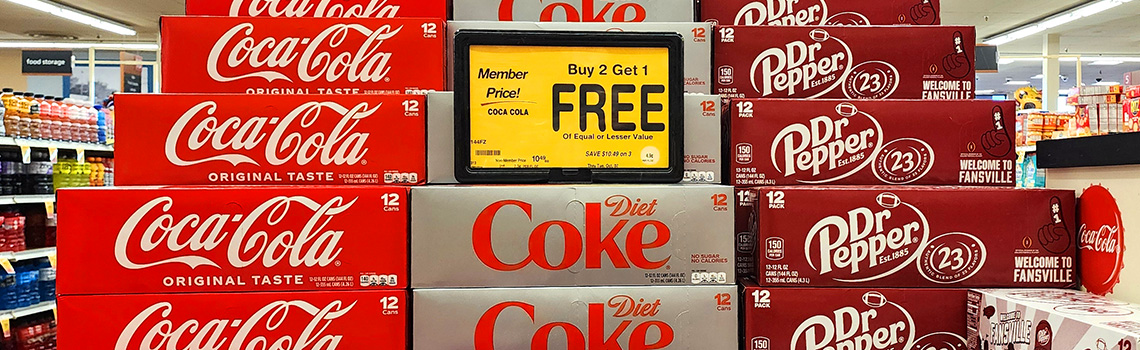
Most customers don’t walk in planning to buy multiple items. They come in with a simple goal.
Graduated pricing shifts that mindset. Suddenly, buying one item feels like missing out on a better deal.
So instead of asking, “Do I need this?” customers start thinking, “Should I grab one more while I’m here?”
That subtle shift is what increases basket size without feeling forced.
Customers don’t just want a deal—they want to feel like they’re getting more for their money.
Tiered savings build that perception naturally. The more they buy, the more valuable the offer feels.
Add a time limit, and now you’ve introduced urgency:
That combination drives faster decision-making.
FOMO plays a bigger role than most retailers realize.
When customers see they’re close to unlocking a better deal, they don’t want to leave savings behind.
You’ll often see this at checkout—customers adding one more item just to hit the next discount tier.
And it doesn’t feel like overspending. It feels like winning.
This is where quantity-based pricing really shines.
Instead of discounting a single item (and cutting into margin), you’re increasing the total transaction value.
Even if the per-item margin is slightly lower, the overall sale is larger—and often more profitable.
That’s the difference between reactive discount retailing and strategic growth.
These pricing strategies do more than just boost sales—they quietly improve how your entire store performs. From bigger baskets to smoother inventory flow, the impact shows up in a lot of different ways.
Here’s what retailers typically notice when they start using volume pricing the right way:

Most customers don’t plan on buying more than they came in for—but multi-buy incentives change that in a subtle way. When savings kick in at higher quantities, it naturally encourages shoppers to add one more item.
Over time, those small changes add up and help you get more value out of every transaction, without needing more foot traffic.
Instead of relying on heavy markdowns, bulk pricing helps you move product in a smarter way. Customers are more likely to buy multiple units when there’s a clear deal attached.
That means less slow-moving stock sitting on shelves and a more consistent flow of inventory overall.
When customers feel like they’re consistently getting a good deal, they’re more likely to come back. Quantity discounts reinforce that feeling by making the value obvious and easy to understand.
Pair that with loyalty programs, and you’ve got customers who don’t just shop once—they keep coming back.
Volume pricing helps increase how much customers spend in a single visit—but the real long-term growth comes from getting those same customers to come back again. Learn how retailers are turning first-time buyers into repeat customers by making loyalty sign-ups part of the everyday shopping experience.
Bigger baskets mean bigger transactions, which brings in cash faster. That gives you more flexibility to reorder products, invest in inventory, or plan ahead without feeling stretched.
It also helps smooth out sales so revenue feels more consistent instead of unpredictable.
Not every volume discount pricing strategy is built the same. The structure you choose can directly impact how customers respond and how much they end up spending.
Here are a few proven strategies retailers continue to use effectively:
Tiered pricing is one of the simplest and most effective volume discounting models. The more a customer buys, the more they save.
It works well because customers can clearly see the next savings level, which naturally encourages them to add more to their purchase—especially when the tiers are easy to understand at a glance.
Bundle pricing groups related products together into one discounted offer.
Example: shampoo + conditioner + styling product.
It takes the guesswork out of shopping, makes the offer feel more valuable, and often leads to higher total spend because customers see it as a complete package rather than separate items.
This approach gives everyday shoppers access to pricing that feels closer to wholesale rates when they buy more.
It works especially well in stores where customers already tend to purchase in multiples, like convenience stores, smoke shops, and beauty supply stores. The appeal is simple—buy more, save more in a way that feels familiar and rewarding.
These are short-term deals designed to create urgency.
Whether it’s a weekend special or a holiday promo, the time limit encourages customers to act quickly instead of waiting. It’s a great way to drive fast spikes in retail sales and move product efficiently.
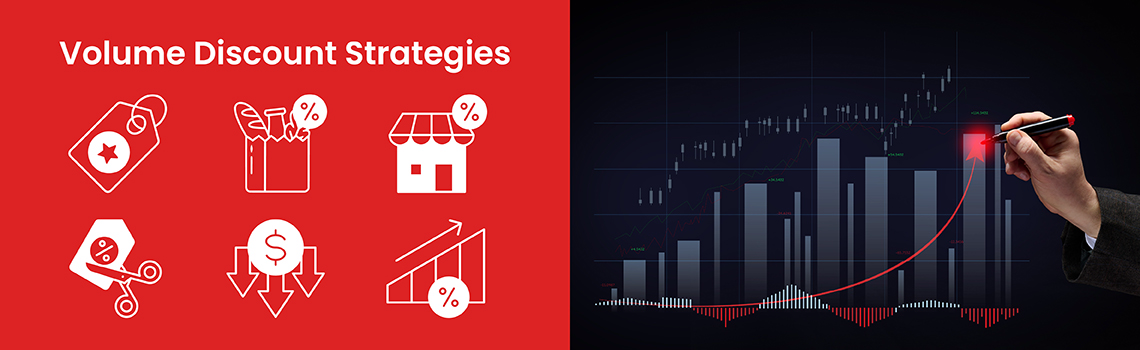
Getting this right isn’t about guessing—it’s about being intentional. The best-performing strategies are built on a clear understanding of your margins, your customers, and your data.
Here’s how to approach it:
Before you run any promotion, you need a clear picture of your numbers.
Ask yourself:
Not every product should be treated the same, and knowing your margins upfront helps you avoid over-discounting.
Your customers are already showing you patterns—you just need to look at them.
Focus on things like:
If most customers are buying two items, that’s your signal. A well-placed incentive can often nudge that number to three without much friction.
Your POS system is one of your most useful tools here.
It can help you quickly identify:
With that information, you can build offers that actually match how your store runs—not just how you think it runs.
Not every offer will hit right away, and that’s completely normal.
Try adjusting things like:
Then watch what moves the needle. The goal isn’t to get it perfect the first time—it’s to keep improving based on real results.
Even the best offer won’t perform if customers don’t actually see it. Promotion is what turns a good deal into a real driver of retail sales—and it needs to show up everywhere customers are making decisions.
In-store, clarity is everything. Your signage should be bold, simple, and instantly understandable.
Customers are moving quickly, so if they have to stop and figure out the deal, you’ve already lost momentum. The goal is to make the offer obvious at a glance and reinforce it near the products where the decision is happening.
Online, timing, and placement matter just as much. Quantity-based deals should show up right where customers are deciding what to buy.
That includes:
Small nudges can make a big difference here. For example, progress messaging like “You’re $10 away from saving $15” can encourage customers to add just one more item before completing their order.
These channels are your way of bringing customers back in. The key is to keep the message simple and focused on value.
A few examples:
Short, clear, and direct messaging tends to perform best here because it’s easy for customers to understand in seconds.
Multi-buy promotions work really well on social media because they’re visual and easy to communicate quickly.
Strong approaches include:
The goal is instant understanding—customers should grasp the value without needing to read too much.
Want to automate your promotions? Learn more about how FTx POS integrates with Klaviyo to turn volume discounts into behavior-based marketing campaigns.
Once you start running quantity-based promotions, the real challenge becomes keeping everything consistent and easy to manage.
That’s where your POS system comes in—it takes what could be a manual, messy process and turns it into something automated and reliable.
Modern POS systems let you automate tiered pricing rules so discounts apply instantly at checkout without any staff intervention.
This helps you avoid pricing mistakes, keeps promotions consistent across all transactions, and makes the checkout experience smoother for both employees and customers.
Bulk promotions work best when they’re tied to what’s actually happening with your inventory.
With the right tools, you can use pricing to:
It’s not just about cutting prices—it’s about using strategic markdowns to keep inventory healthy and flowing.
This is where things get more advanced—and more effective.
Instead of offering the same deal to everyone, you can tailor multi-buy incentives based on customer behavior.
For example:
When offers feel more personalized, they naturally become more engaging—and more likely to convert.
To know if your strategy is actually working, you need to track the right data.
Your POS analytics should help you understand:
This feedback loop is what allows you to refine your strategy over time instead of guessing what works.
Running these promotions is only half the work — the other half is knowing whether they’re actually paying off.
A few key metrics will tell you the real story.
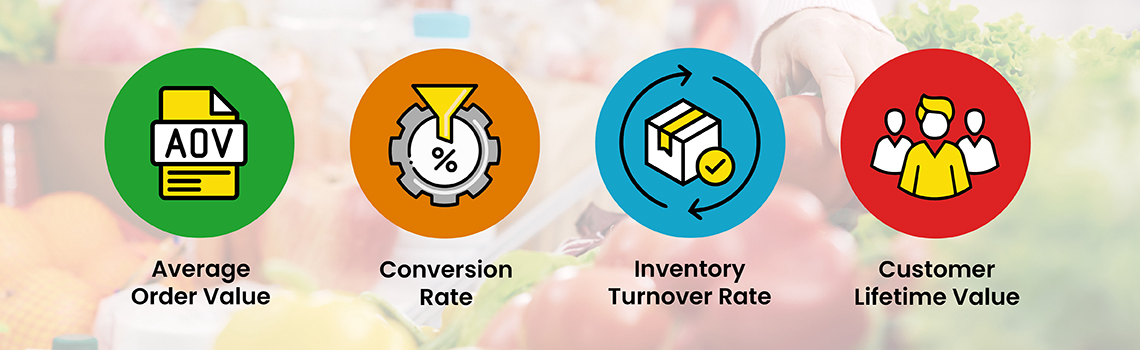
AOV is the clearest signal of whether your pricing strategy is working. If baskets are growing after you introduce tiered savings, the offer is doing its job.
Conversion shows how many browsers are turning into buyers. A good quantity-based offer should lift this number, especially during limited-time campaigns.
Faster turnover means your pricing is actually moving product, not just shifting margin around. Watch this metric closely when you’re using bulk promotions to clear stock.
CLTV tells you whether these offers are building lasting relationships or just creating one-time spikes. When paired with loyalty, quantity-based pricing should push CLTV up over time.
Volume discounts are a powerful revenue driver when used with intention. They lift average order value, move inventory faster, and — when paired with loyalty — build the kind of repeat behavior that compounds over time.
The retailers who win with this strategy aren’t the ones running the deepest markdowns. They’re the ones who understand their margins, read their customer data, and keep refining their offers based on what’s actually working.
Start small. Test a tier or two. Watch the numbers. Then scale what works.
A volume discount is a pricing structure where customers pay less per unit—or unlock extra savings—as they buy more. It's one of the most common forms of sales discounting used by retailers to grow basket size.
They shift customer mindset from "do I need this?" to "how do I get the best deal?" That change, combined with tiered savings and threshold offers, typically lifts both items-per-transaction and average order value.
It depends on your products and margins. Tiered pricing works well for mixed assortments, bulk pricing fits consumables, and buy-more-save-more offers are great when you want flexibility across categories.
Yes—but not always negatively. Per-unit margin may dip, but total transaction profit usually rises because customers buy more. The key is modeling margins before you launch.
Start with one product category, set a simple tier (like "buy 2, save 10%"), and measure the impact. Small retailers often see the biggest gains because even modest lifts in basket size make a meaningful difference.