
Build a Holiday Campaign in Klaviyo (Step-by-Step with Guide)
Danielle Dixon | 7 Min Read

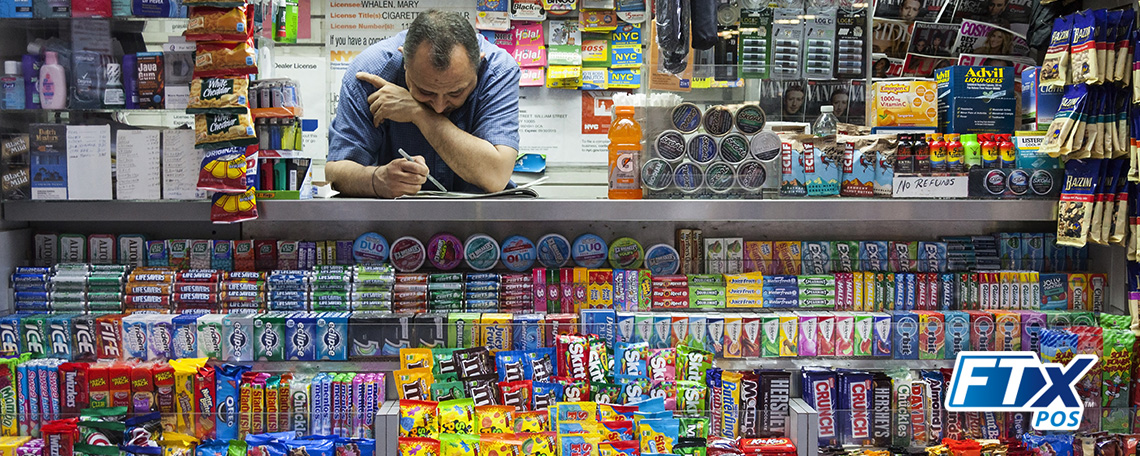
A bodega store (or simply a bodega) is more than just a corner store—it’s a neighborhood hub where convenience meets community.
And they aren’t just convenient—over 90% of New Yorkers hit one bodega at least weekly, and about two‑thirds swing by every single day, according to The Bronx Times.
Unlike big-box supermarkets, bodegas are small, locally focused, and often family-run, offering everything from snacks and drinks to prepared food. They have a strong cultural presence in urban neighborhoods, especially in New York City, where they’ve been serving communities for decades, and they’re now popping up in cities and small towns nationwide.
In this article, we’ll break down everything you need to know to start your own bodega in 2026—from understanding what a bodega really is to startup costs, step-by-step setup, and tips for running a successful, community-focused store.
A bodega is a small, independent store built around convenience and community. Step inside, and you’re greeted by the smell of fresh coffee, baked goods, and sizzling street food favorites.
These cozy spots carry exactly what locals need—snacks, drinks, and everyday essentials — while keeping a sense of personality and charm.
Many are family-owned, giving them a personal, welcoming vibe that makes the neighborhood feel a little more like home and keeps customers coming back day after day.
Typical characteristics of a bodega store include:
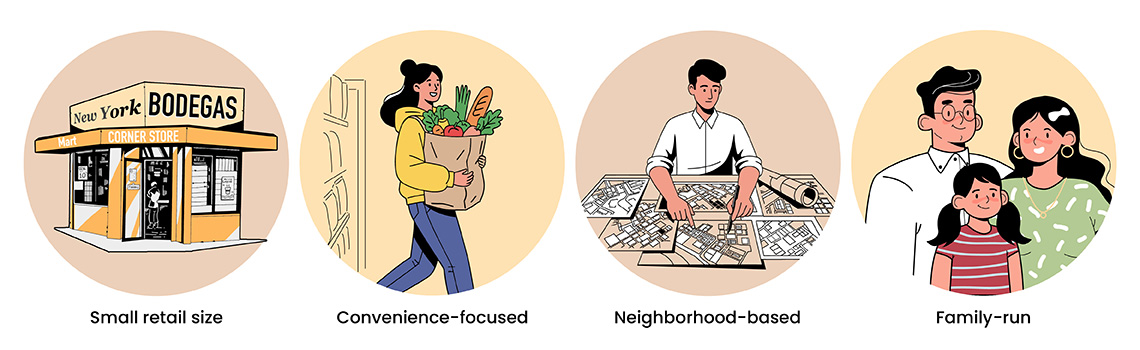
Thinking about opening a bodega? It’s more than just a small store—it’s a chance to be that familiar spot in the neighborhood where people pop in for essentials, snacks, or just a friendly hello.
From serving daily needs to creating a friendly corner spot, there are plenty of reasons why starting a bodega can be a smart move.
Locals, busy families, and even late-night workers all need a quick stop for snacks, drinks, coffee, or everyday essentials. A bodega is that go-to spot, making life a little easier for your neighborhood.
With steady foot traffic and loyal regulars, your store can quickly become a familiar—and beloved—corner of the community.
Opening a bodega doesn’t have to be overwhelming.
Start small with a cozy space, stock the basics, and add more as you go. It’s a laid-back way to test the waters and see your store grow with the neighborhood.
Bodegas thrive on trust, friendliness, and familiarity. When customers know your name, your favorite coffee blend, or your daily specials, they keep coming back.
This personal connection turns first-time visitors into loyal regulars and generates valuable word-of-mouth buzz for your business.
Unlike larger stores that depend on weekly or monthly sales, a bodega sees transactions every day.
That daily cash flow makes managing expenses easier and gives owners real-time insight into what’s selling, which helps with planning, restocking, and keeping operations smooth.
A bodega isn’t limited to snacks and beverages. Many stores offer prepared meals, lottery tickets meals, delivery services, or even online ordering.
Diversifying your income sources reduces risk and increases profitability, giving you flexibility to adapt to your customers’ needs.
Managing a bodega doesn’t have to be overwhelming. The right POS system can handle inventory, speed up checkout, manage loyalty rewards, and even help with age verification—giving you more time to focus on your customers and your community. Check out our point of sale and see how it fits into your store.
Startup costs vary depending on location and size, but generally, opening a bodega store can range between $50,000 and $150,000.
Each cost depends on factors like store size, equipment quality, and neighborhood demand.
While bodegas have their own charm, they share a lot in common with convenience stores when it comes to POS features. Take a look at our blog post for ideas on features worth considering.
Starting a bodega might sound like a big project, but when you break it down step by step, it’s completely doable.
From choosing the right location to stocking shelves and setting up technology, each stage helps bring your neighborhood store to life.
Start by getting to know the neighborhood you’re planning to serve. Who lives there? What kinds of stores already exist nearby?
Walk around the area, notice foot traffic, and pay attention to what people are buying at nearby shops. Maybe there’s demand for fresh coffee in the morning, quick lunch options during the day, or late-night snacks.
Understanding what the community wants—and where competitors might be falling short—helps you shape your inventory and offerings from day one.
A business plan doesn’t need to be a 50-page document. For a bodega store, it can be a simple, clear outline that helps you stay organized and focused.
Include your estimated startup costs, expected monthly expenses, projected sales, and ideas for inventory and promotions. Think of it as your game plan—it helps guide decisions and keeps you grounded when things get busy.
Location can make a huge difference for a neighborhood store. Ideally, you want a spot that’s easy to see, easy to access, and surrounded by steady foot traffic.
Busy street corners, areas near apartment buildings, transit stops, schools, or offices can all work well. The goal is simple: make it convenient for people to stop in quickly, whether they’re grabbing a coffee on the way to work or picking up snacks on the way home.
Before opening your doors, you’ll need to officially register your business. Many owners choose structures like a sole proprietorship or limited liability company (LLC), depending on their goals and liability preferences.
Once you’ve chosen the structure, you’ll register the business with your state or local government and apply for the necessary tax identification numbers. Once the paperwork is done, you’ll have the legal foundation to operate confidently.
Retail food stores require a few key licenses to operate legally. At minimum, you’ll likely need a business license and a sales tax permit.
If you plan to sell prepared food, tobacco, alcohol, or lottery tickets, additional permits may be required depending on your city or state. It’s a good idea to check with local agencies early in the process so you know exactly what’s needed before opening day.
Selling age‑restricted items like alcohol or tobacco means your bodega also needs to follow specific compliance rules. A POS with reliable age verification can help you stay on the right side of the law and protect your licenses. Learn how FTx POS helps automate age verification at checkout.
The layout of your store plays a bigger role than many new owners realize. A thoughtful setup can guide customers naturally through the space and encourage them to grab an extra item or two along the way.
Keep everyday essentials easy to spot, place high-demand items where customers will see them quickly, and consider placing snacks or drinks near the checkout area. Small adjustments in layout can quietly boost sales while keeping the shopping experience smooth and convenient.
Stocking the right products is where market research really pays off. Partner with reliable wholesalers who can consistently deliver snacks, beverages, household essentials, and any specialty items your neighborhood enjoys.
Pay attention to what sells quickly and what sits on the shelves. Over time, your inventory will naturally evolve to match what your customers love most.
Many bodegas start small, often run by the owner or family members in the beginning. As business grows, bringing on a few employees can help keep operations running smoothly—especially during busy hours.
Friendly service goes a long way in neighborhood stores. Customers remember the places where they feel welcomed, and that connection often turns first-time visitors into regulars.
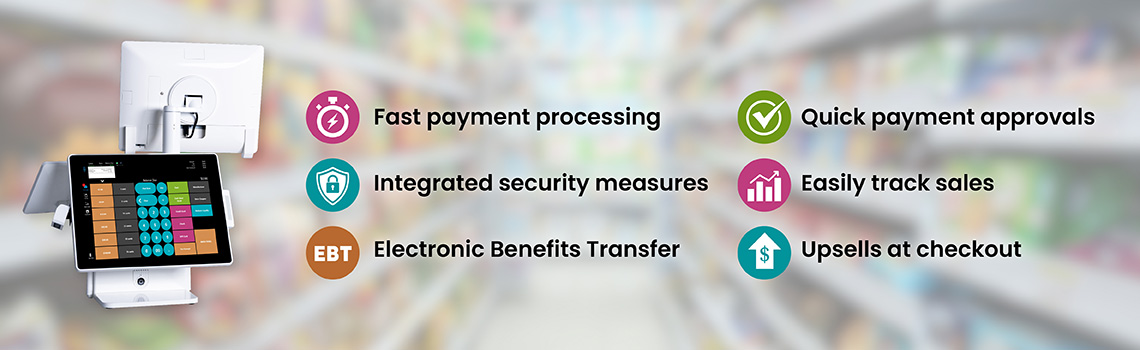
Install a POS system, enable fast payment processing, and integrate security measures. Many modern POS systems support features like Electronic Benefits Transfer (EBT), quick payment approvals, and simple reporting so owners can easily track sales.
Some platforms also include tools that recommend upsells at checkout—like suggesting a drink with a sandwich—helping stores increase average transaction value without adding extra work for staff.
Get the word out locally. Flyers, social media, partnerships with nearby businesses, or community events can help bring in first-time visitors and introduce your store to the neighborhood.
Inside the store, tools like digital signage can highlight daily specials, combo deals, or new products—catching customers’ attention while they shop and encouraging impulse purchases.
Want to make your promotions pop without lifting a finger every day? FTx Digital Signage lets you set up eye-catching displays that update automatically, helping customers notice specials and new items. Check it out here and see how it can give your store a little extra sparkle!
Running a bodega is a lot like hosting a neighborhood hangout spot. People stop in for the snacks and essentials, sure—but they also come back for the familiarity and the friendly atmosphere. A few thoughtful habits can go a long way in turning a quick stop into a daily routine for your customers.
Get to know the people who walk through your door. Remembering someone’s usual coffee order or favorite snack might seem small, but it creates a sense of connection that keeps customers coming back.
Over time, those quick conversations at the counter help your store feel like part of the neighborhood’s daily rhythm.
Product placement can nudge shoppers toward items they didn’t even know they wanted. Keep popular or high-margin items at eye level and place grab-and-go snacks near the checkout area.
Little adjustments like this make it easy for customers to spot something they didn’t realize they wanted.
A well-stocked shelf is a happy shelf. Keep an eye on what sells quickly and what tends to sit around.
Regular inventory checks help ensure that everyday essentials are always available while avoiding piles of products that don’t move.

Convenience is the whole point of a bodega. Opening early for morning coffee runs or staying open later for night-owl snack shoppers can make your store the go-to spot when other places are closed.
More customers expect convenience beyond the store itself. Offering delivery or simple online ordering through services like Uber Direct can make it easier for customers to grab their favorite items without leaving home.
A simple loyalty program can turn occasional visitors into regulars. Punch cards for breakfast sandwiches, coffee rewards, or small discounts after a certain number of purchases give customers a reason to stop by again tomorrow.
And when people feel rewarded for choosing your store, they’re more likely to keep choosing it.
Want to make loyalty effortless? Check out Loyal‑n‑Save to set up digital rewards and punch cards that keep your customers coming back—without any extra hassle for you.
Owning a bodega store is more than a business—it’s a chance to be part of the neighborhood rhythm. Every detail, from stocking the right snacks to greeting regulars by name, adds up to an experience people want to come back to.
Take it one step at a time, stay connected with your community, and make every visit convenient, personal, and enjoyable—and your bodega can become a neighborhood favorite that customers love coming back to.
Starting a bodega can vary depending on location and size, but generally, you’re looking at $50,000 to $150,000 for rent, renovations, initial inventory, equipment, licenses, and POS setup.
Costs go up if you’re in a high-foot-traffic area or want top-of-the-line equipment, but even a small neighborhood bodega can be launched on the lower end of that range.
Yes—but like any business, it depends on your planning, location, and customer relationships.
Bodegas thrive on daily cash flow, repeat customers, and multiple revenue streams like snacks, drinks, and prepared food. Build a loyal local following and keep your inventory fresh, and the numbers can add up nicely.
From idea to opening day, most first-time bodega store owners can expect 3–6 months. That includes researching your neighborhood, finding the right spot, getting licenses, setting up your store, and stocking inventory.
The timeline can be shorter if you’re prepared and have everything lined up ahead of time.
It depends on what you sell, but at a minimum, you’ll need a business license and a sales tax permit. If you sell tobacco, alcohol, or prepared foods, you’ll need additional permits from your city or state.
It sounds like a lot, but most local agencies provide clear guidance—and once you’re set, you’re good to go.
Bodegas rely on community connections and convenience. Word-of-mouth is huge, as are loyalty programs, local social media, and small promotions.
Inside the store, smart product placement, combo deals, and even digital signage can catch shoppers’ attention and encourage repeat visits.
The line can be blurry, but think of a bodega store as a friendly, neighborhood-focused convenience store, often family-run and tailored to local customers.
While 'convenience store' can refer to any small retail shop, bodegas have that cultural vibe and personal touch that make them feel like part of the community.


Danielle Dixon | 7 Min Read

Danielle Dixon | 10 Min Read