

Lottery Reconciliation Issues in POS Systems: Causes, Risks & Lottery Management Software Solutions
Danielle Dixon | 7 Min Read

Lottery operations today aren’t what they used to be—and that’s a good thing!
Lotteries used to be slow, messy, and stuck on old systems—but now they’re fast, digital, and a lot easier to handle. Modern platforms handle sales smoothly, keep records updated in real-time, and stay reliable even when things get super busy.
Did You Know?According to Grand View Research, the global lottery market is growing fast—jumping from $353 billion in 2024 to nearly $484 billion by 2030.
Digital systems are exciting, but big draws can get tricky. Your system needs to handle the rush without slowing down or messing up—because mistakes can hurt revenue, compliance, and player trust.
That’s where a lottery management software system comes in. It’s the backbone that keeps everything running smoothly and securely, quietly handling transactions, enforcing rules, and making sure operations never miss a step.
In this guide, we’ll break down what makes a lottery management system (LMS) really stand out, including security, scalability, and reliability. By the end, you’ll know what to look for when choosing a system for your lottery.
Key Takeaway:Lottery management software automates ticket tracking, payouts, and compliance reporting, replacing the manual counts and spreadsheets that are prone to error and theft. The right lottery management system should integrate directly with your POS, support real-time reporting, and scale from a single convenience store to a multi-location chain, with security certifications like ISO 27001 and PCI DSS as a baseline requirement.
Also known as an LMS, it is basically the engine that keeps everything running behind the scenes. You can think of it as the main hub—everything goes through it, from selling and checking tickets to handling payments, following the rules, and keeping track of reports.
Even busy convenience stores notice the difference. Instead of using a bunch of separate systems—or messy spreadsheets—the lottery management system keeps everything together in one place. It gives operators control while making sure players can trust the system is fair and secure.
Now picture running a lottery without it. Tickets are selling at different locations, payouts are calculated by hand, winners are waiting, and regulators are asking for reports. Pure chaos, right?
The LMS keeps everything organized, scales when traffic spikes, and makes sure the lottery runs smoothly. That way, operators can focus on running a great lottery instead of putting out fires.
| Aspect | Manual Lottery Management | Lottery Management Software |
|---|---|---|
| Ticket Counting | The books are needed to count by hand at shift change, which takes time and may have errors. | A barcode scanner counts tickets in seconds, and ending numbers automatically become the next day’s starting numbers. |
| Payout Calculations | Payouts are calculated by hand, causing delay and increasing the risk of miscalculation. | Payouts are calculated and recorded automatically, with no manual math required. |
| Compliance Reporting | Reports are compiled manually from paper logs when a regulator requests them. | Audit-ready reports are generated automatically, formatted for regional compliance requirements. |
| Fraud & Theft Detection | Shrinkage is often only caught during a full physical inventory count, days or weeks later. | Discrepancies in cash drops, voids, and pack activations are flagged on the same day. |
| Game Activation | Adding a new scratch-off game means manually updating price lists across every register. | New games are added to the price book and activated instantly across all terminals. |
| Multi-Location Visibility | Owners call or visit each location individually to check performance. | A single dashboard shows real-time sales and inventory across every location. |
| Staff Accountability | It’s difficult to trace a discrepancy back to a specific shift or cashier. | Every void, refund, and pack activation is logged by the cashier, tracking performance gaps. |
| Sales Forecasting | Sales trends are only visible afterwards, from manually compiled totals. | Real-time analytics show which games are selling out, so reordering happens before shelves go empty. |
Pro Tip: Even if you’re not ready for a full system migration, start by digitizing just your lottery reconciliation process; it’s usually the single biggest time and shrinkage reduction of any change you can make.
A modern lottery management system does a lot more than just sell tickets. It’s the engine that keeps everything running smoothly, from tracking sales and validating winners to handling payments and keeping records straight.
This is what lottery management software providers build to make running a lottery easier and more reliable.
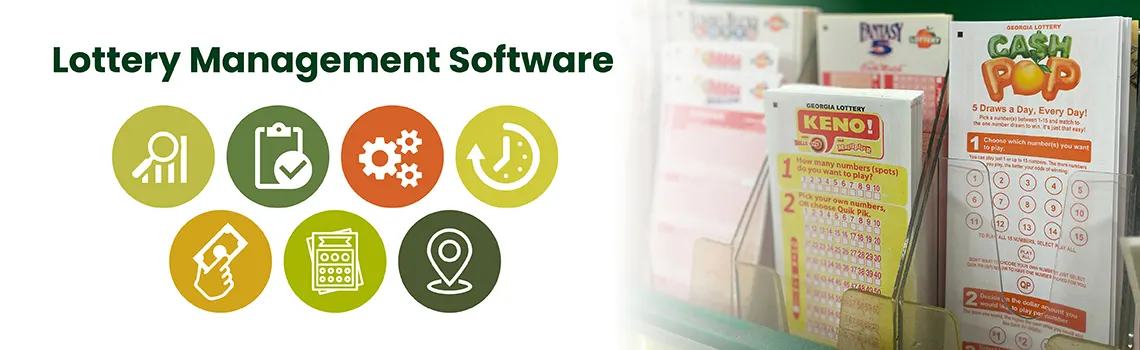
Here’s a closer look at the key parts that make a good LMS work:
Everything starts with the ticket, but not all tickets are the same. A good LMS makes sure tickets are secure, easy to track, and quick to validate. The system keeps an eye on every ticket sale, stopping duplicates, mistakes, or fraud before they become a problem.
Winning is fun—but only if players actually get their money on time. A solid LMS automates payouts, calculates prizes correctly, and keeps transactions error-free. It also handles different payment methods, from cash to digital wallets, so everything runs smoothly for both players and staff.
Lotteries can cover dozens or even hundreds of locations. The LMS gives operators a single dashboard to see what’s happening at each store and terminal. You can spot issues, track activity, and manage permissions—all without having to be everywhere at once.
Rules and regulations are part of running a lottery, but a good LMS makes them way easier to manage. It automatically follows the rules for your area, keeps a record of every transaction, and makes reports simple to generate. Regulators get what they need, and you can focus on running the lottery instead of getting buried in paperwork.
A solid LMS shows live updates on ticket sales, prizes, and how each location is performing. Having this info in real-time means you can spot trends early, make smarter choices, and keep everything running smoothly—without any guesswork.
Want insights, not guesswork? Control Center lets you see everything—lottery, sales,
inventory, reporting, staff and more—from one dashboard. Explore what it can do!
Big draws or special promotions can send tons of transactions through the system in just a few minutes. A modern LMS is built to handle those spikes without slowing down or crashing, so everything keeps moving—even when traffic is through the roof.
Picking the right lottery system isn’t just about having the basics—it’s about having a platform that can keep up with modern operations, handle high volumes, and make your life a lot easier.
Here’s what really matters:
A lottery depends on its tickets, and a good lottery reconciliation system makes sure they’re safe and easy to check in real-time. Every ticket is tracked from the moment it’s created, so there’s no duplication, tampering, or mistakes.
With a full record of every transaction, operators always know what happened, when, and where—giving both staff and players confidence that the system is fair and secure.
Players want their winnings fast and correct.
A strong LMS handles different payment types, automates payouts, and makes balancing accounts easy. By cutting out manual work and mistakes, it keeps the lottery running smoothly and ensures winners get paid quickly—no stress, no delays.
Rules are part of the job, and a modern LMS makes them easier to handle.
It automatically follows regional regulations, keeps audit-ready records, and generates reports quickly. With built-in support for lottery ticket compliance, the system adapts when regulations change, helping you stay compliant without extra headaches.
This is where the system shows its strength. Big jackpots, special draws, or peak traffic can push transactions through the roof.
A top LMS scales easily, stays fast, and keeps running without downtime. Basically, it grows with your business so you can handle more without worrying about the system crashing.
A good LMS gives live updates on sales, prizes, and how each location is performing.
With this information, you can spot trends, make smarter decisions, and fix problems before they get out of hand. It’s all about keeping operations smooth and data useful.
The system keeps multiple locations coordinated, so you get visibility and control to run everything smoothly—whether you have one site or many.
You can keep an eye on performance, catch problems before they snowball, and make smooth, consistent decisions across every location.
Tracking purchase history enables you to analyze purchase behavior and trigger targeted promotions instead of blanket offers. Promotion messages like a new scratch-off game for players who buy a certain lottery regularly.
Stores can effectively notify players about the lottery and games with built-in SMS or email tools without relying on marketing tools and keep the players engaged with information like jackpot changes, new game launches, or claim deadlines.
Players nowadays expect consistency between in-store and online experiences. A modern LMS should support engagement across ecommerce, loyalty programs, and in-store touchpoints under one system.
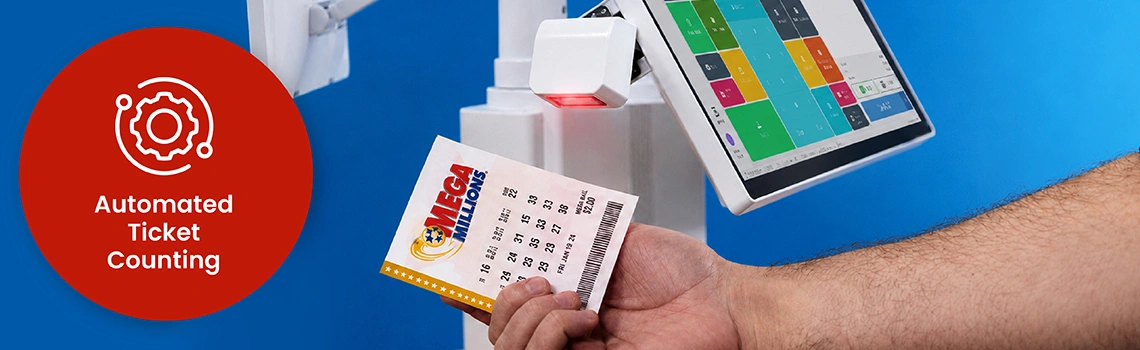
A lottery management system should connect directly to your point-of-sale, not run as a separate tool where cashiers have to juggle between the two. An integrated POS system means powering a barcode scanner to automate ticket counting at the shift end, adding new scratch-off games to the price book in seconds, activating new games instantly across every register, and tracking exactly how many tickets have sold and how many remain on hand in real-time.
There are three main types of lottery management systems: centralized, distributed/cloud-based, and hybrid. A centralized system runs all sales, payouts, and validations through one platform; a distributed system spreads them across multiple servers for scale; and a hybrid combines both for control plus performance. The right choice depends on your lottery’s size, transaction volume, and number of locations.
A centralized system keeps everything in one place. All ticket sales, prize payouts, and validations go through a single platform.
This makes it easy to see what’s happening and keep track of everything. It’s simple and works well for smaller lotteries or operations that like having everything under control.
Distributed or cloud-based systems spread the work across multiple servers or locations. This helps the system handle busy times, like big jackpots, without slowing down.
It’s also flexible, so it’s easier to update or grow the system when you add new locations or terminals.
Hybrid systems mix both approaches. They give you the control of a centralized system but can also handle busy periods like a distributed system.
This is great for lotteries with multiple locations because it balances performance and control.
Picking the right LMS isn’t just about what features it has—it’s about finding the one that fits your lottery and your team.
The right lottery management system comes down to seven factors: matching your ticket volume, verified security certifications like ISO 27001 and PCI DSS, clean integration with your existing POS or ERP, the total cost of ownership over time, dependable vendor support and a clear product roadmap, room to customize around your workflow, and a solid backup and disaster recovery plan. Weigh these against how your lottery actually runs, and the right fit becomes clear.

Make sure your system matches the size of your operation. A small lottery with a handful of stores needs something different than a multi-state lottery handling millions of transactions every day. The right fit keeps things running smoothly without extra headaches.
A good LMS should take security seriously, and the easiest way to know it does is by checking for recognized certifications.
Look for ISO 27001 (international standard for managing information security) and PCI DSS (Payment Card Industry Data Security Standard). These show the system follows proven best practices for keeping data safe, so you can trust your players’ information is protected.
A modern LMS should work smoothly with your current point-of-sale (POS) or ERP (enterprise resource planning) systems.
When everything connects automatically, there’s less typing, fewer mistakes, and your operations run more smoothly—so your team can focus on running the lottery, not fixing data problems.
Don’t just look at the sticker price. Consider ongoing expenses like staff training, software maintenance, regular updates, and scaling the system as your lottery grows.
Factoring in these costs gives you a clearer picture of the system’s true value and what it will actually cost over time, helping you avoid unexpected surprises.
Good support makes a huge difference. Ask about the availability of technical help, regular updates, and what new features or improvements the vendor has planned.
You want a system that grows with your business, adapts to changing needs, and doesn’t feel outdated in just a couple of years.
Every lottery operation runs a little differently, where different games mix, shift structures change, and reporting needs vary. Look for a system that adapts to your existing workflow instead of forcing your team to rebuild processes around rigid software.
Ask what happens if the system goes down during a busy draw. How quickly data backs up and how fast the vendor can restore service. Automated backups and a clear disaster recovery plan protect you from losing sales data or payout records during an outage.
Even with the right technology, setting up a new system can be tricky.
With some planning, proper training, and good support, you can handle the challenges and get everything running smoothly.
Switching from an old lottery system to a new one takes planning. You need to move all your data carefully, test it to make sure nothing gets lost or messed up, and sometimes roll out the system in stages.
The goal is to make the change without slowing down day-to-day operations so ticket sales, payouts, and reporting keep running smoothly.
Even the best software won’t help if people don’t know how to use it. Clear, easy-to-follow training programs, simple interfaces, and ongoing support make a big difference.
When staff feel confident with the system, they work faster, make fewer mistakes, and the whole operation runs more smoothly.
Make your POS work for you. Learn with step-by-step guides, bite-sized videos,
and certification courses in FTx Academy—and see results every day.
Lotteries are heavily regulated, so staying on top of the rules is a must. It helps to involve regulators early and use a system built to meet compliance requirements.
Keeping clear records and audit trails makes reporting easier and avoids surprises, so you can focus on running your lottery instead of dealing with last-minute paperwork.
Lottery systems handle cash-equivalent transactions, making them a target for both external breaches and internal theft. Look for encryption, role-based access controls, and audit logs that flag unusual activity, like repeated voids or pack activations as they happen rather than during a monthly review.
Big jackpots and promotional draws can spike transaction volume without warning. Choose a system built on cloud or distributed infrastructure so performance remains at its best when you need it most.
A great lottery management system does a lot more than just sell tickets—it keeps everything running smoothly, safely, and on point. It helps prevent mistakes, stops fraud, and handles busy moments like big jackpots without breaking a sweat.
You get a system that scales with your business, so whether it’s a quiet day or a huge promotional draw, operations keep moving without stress.
With the right LMS, running your lottery becomes way easier. You can grow your business, stay on top of regulations, and manage tickets and operations reliably across all your locations.
Plus, real-time insights help you make smart choices, spot trends early, and keep your lottery running smoothly.
A lottery management system (LMS) is software that helps operators handle every part of running a lottery. It tracks ticket sales, keeps inventory in check, records payouts, and organizes reports.
Think of it as the central hub that makes sure everything runs smoothly, transactions are correct, and rules are followed. With an LMS, lottery staff can focus on running draws and helping players instead of worrying about mistakes or manual work.
LMS software is perfect for anyone running a lottery—operators, retailers, or gaming organizations. Whether it’s a small local draw, a regional lottery, or a big multi-location setup, an LMS helps track ticket sales, manage payouts, and keep everything compliant—all in one place.
Security is super important for lottery operations. A good system should encrypt transactions, control who can access what, and monitor for errors or fraud. This keeps your business safe and makes sure every ticket sale and payout is trustworthy.
Lottery software uses multiple layers of protection. It tracks every sale and payout, keeps detailed logs, and securely handles payments. This makes sure winners get paid correctly and on time while cutting down the chance of mistakes or fraud.
Cloud-based LMS makes it easy to scale and stay flexible. You can manage multiple locations, handle busy ticket-selling days, or add new games without extra hardware. Plus, your team can check in and manage operations from anywhere, which helps your business grow without extra headaches.
Absolutely. Modern LMS software can be set up to follow local laws, taxes, and responsible gaming rules. This keeps operations compliant no matter where you’re running your lottery, reducing risk and keeping things smooth.
Automation handles repetitive tasks like ticket checks, payouts, and reporting, freeing your team to focus on bigger priorities. Analytics give insights into sales trends, player habits, and game performance, helping you make smart choices, optimize operations, and improve revenue.


Danielle Dixon | 7 Min Read

Danielle Dixon | 11 Min Read

Danielle Dixon | 8 Min Read