








Are UPC Barcodes Being Replaced in 2027? What Retailers Need to Know About GS1 Sunrise
November 25, 2026
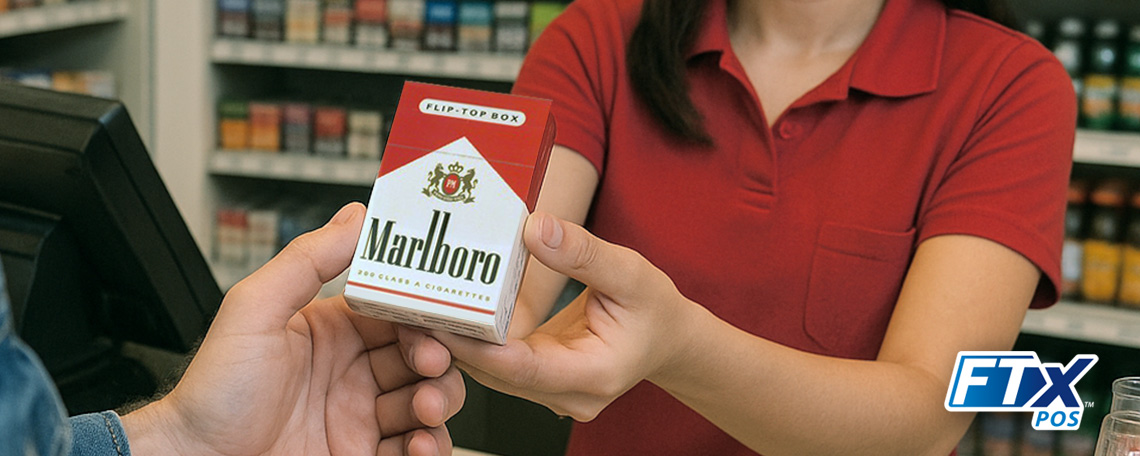
Universal product code (UPC) barcodes have been used in retail for decades. They identify products, help retrieve prices, and allow point-of-sale (POS) systems to process transactions at checkout.
Fun Fact:The barcode’s story began in the sand! According to Smithsonian Magazine, Norman Joseph Woodland sketched the idea on a Miami beach in 1949, about 25 years before the first UPC barcode was scanned at checkout.
But as retailers look for ways to capture more detailed information about the products they sell, traditional barcodes have limitations.
GS1 Sunrise 2027 is part of an industry effort to introduce 2D barcode scanning at retail checkout. By the end of 2027, the initiative aims for retail POS systems to be capable of scanning 2D barcodes alongside traditional UPCs.
Unlike UPC barcodes, which primarily identify a product, 2D barcodes can contain additional details, including expiration dates, batch numbers, and serial numbers. That means a single scan could give retailers access to information they might otherwise have to look up separately, as long as their POS software supports it.
So, does this mean UPC barcodes will disappear in 2027? Not at all.
The goal isn’t to replace traditional UPCs overnight. Instead, manufacturers and retailers will gradually introduce 2D barcode formats, allowing both types to coexist as retailers prepare their checkout systems for the transition.
What Is GS1 Sunrise 2027? Understanding the Retail Barcode Transition
GS1 is a global organization that develops product identification and data-sharing standards used by manufacturers, distributors, and retailers. GS1 Sunrise 2027 builds on these standards by encouraging the adoption of 2D barcode scanning at retail checkout.
Traditional UPC barcodes contain a Global Trade Item Number (GTIN), which allows a POS system to identify an item and retrieve its associated product information. However, the GTIN alone doesn’t include details such as expiration dates or manufacturing batch numbers.
That’s one of the differences with 2D barcodes. They can carry additional information within the barcode itself.
For a closer look at the initiative, GS1 US’s Sunrise 2027 resource page offers information and guidance to help retailers and manufacturers understand the transition and prepare for what’s ahead.
UPC vs. 2D Barcodes: What’s Actually Changing?
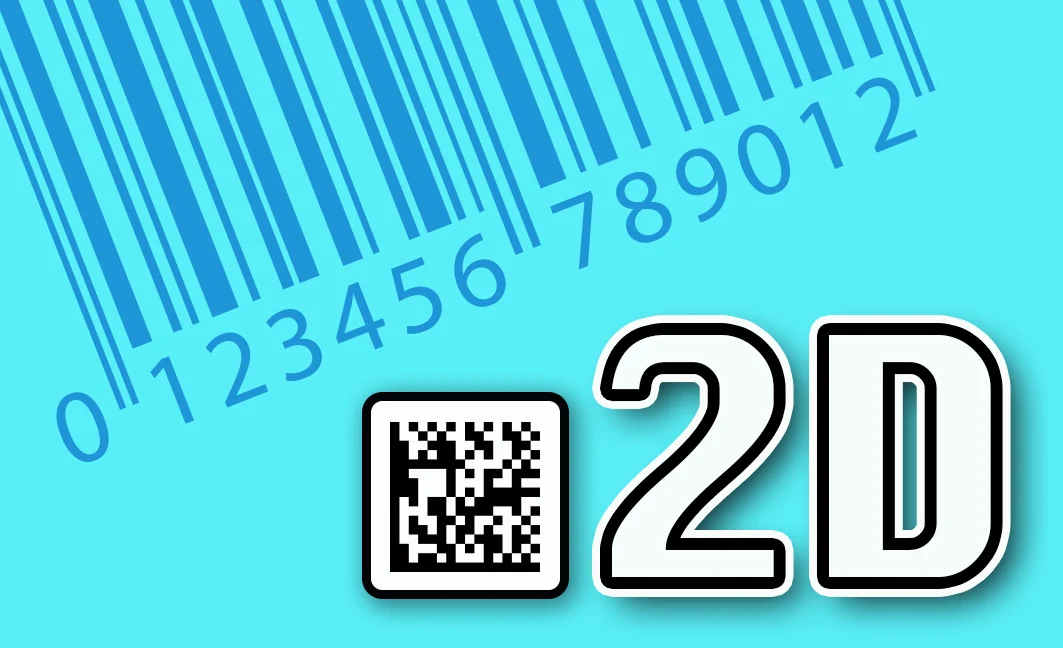
A traditional UPC is a one-dimensional (1D) barcode made up of vertical lines and spaces. It contains a product identifier that a scanner reads so the POS system can retrieve the corresponding item.
A two-dimensional (2D) barcode uses patterns of squares and other shapes to store information horizontally and vertically. Because they can hold more data, 2D barcodes can contain a product identifier along with additional details.
There are two 2D barcode formats retailers should know about:
QR Codes with GS1 Digital Link
These resemble the QR codes commonly found on menus and product packaging. QR codes with GS1 Digital Link follow GS1 standards that connect a product’s identifier to online information.
Shoppers can scan them to access details such as ingredients, nutritional information, allergens, and product instructions.
GS1 DataMatrix
GS1 DataMatrix barcodes are compact, square-shaped symbols that can encode a product identifier alongside information such as batch numbers, expiration dates, and serial numbers.
Unlike QR codes with GS1 Digital Link, GS1 DataMatrix uses GS1 element strings to encode structured product data rather than a web-compatible URL.
What New Capabilities Can 2D Barcodes Bring to Retail?
So, what does having more information in a barcode actually mean for a retailer? The additional data could be useful in several areas, particularly when a store’s POS and inventory software can interpret and use it.
Better Product Traceability
Traditional UPCs identify a product type but don’t distinguish between individual batches. Additional identifiers in 2D barcodes can help retailers capture batch, lot, and serial information, making it easier to track specific products through the supply chain.
Expiration Date Management
A 2D barcode can contain an expiration date that compatible POS and inventory systems can read.
With access to that information, retailers could:
- Identify products approaching expiration.
- Manage stock rotation.
- Apply markdowns to products nearing their expiration dates.
Improved Product Recalls
When manufacturers announce recalls, retailers need to identify affected merchandise. Batch and lot information can help narrow down which products are involved. With appropriate POS integration, systems may also flag recalled products or prevent them from being sold. It also means retailers won’t have to pull entire product lines off the shelf just because they aren’t sure whether their stock was affected. Only the specific batches named in the recall need to be removed, so unaffected products stay available for sale.
More Product Information
QR codes with GS1 Digital Link can connect shoppers to product details such as ingredients, allergens, nutritional information, and usage instructions.
Simplified Packaging
Manufacturers may eventually use a single 2D barcode for retail identification and additional product information, reducing the need to print multiple codes on packaging.
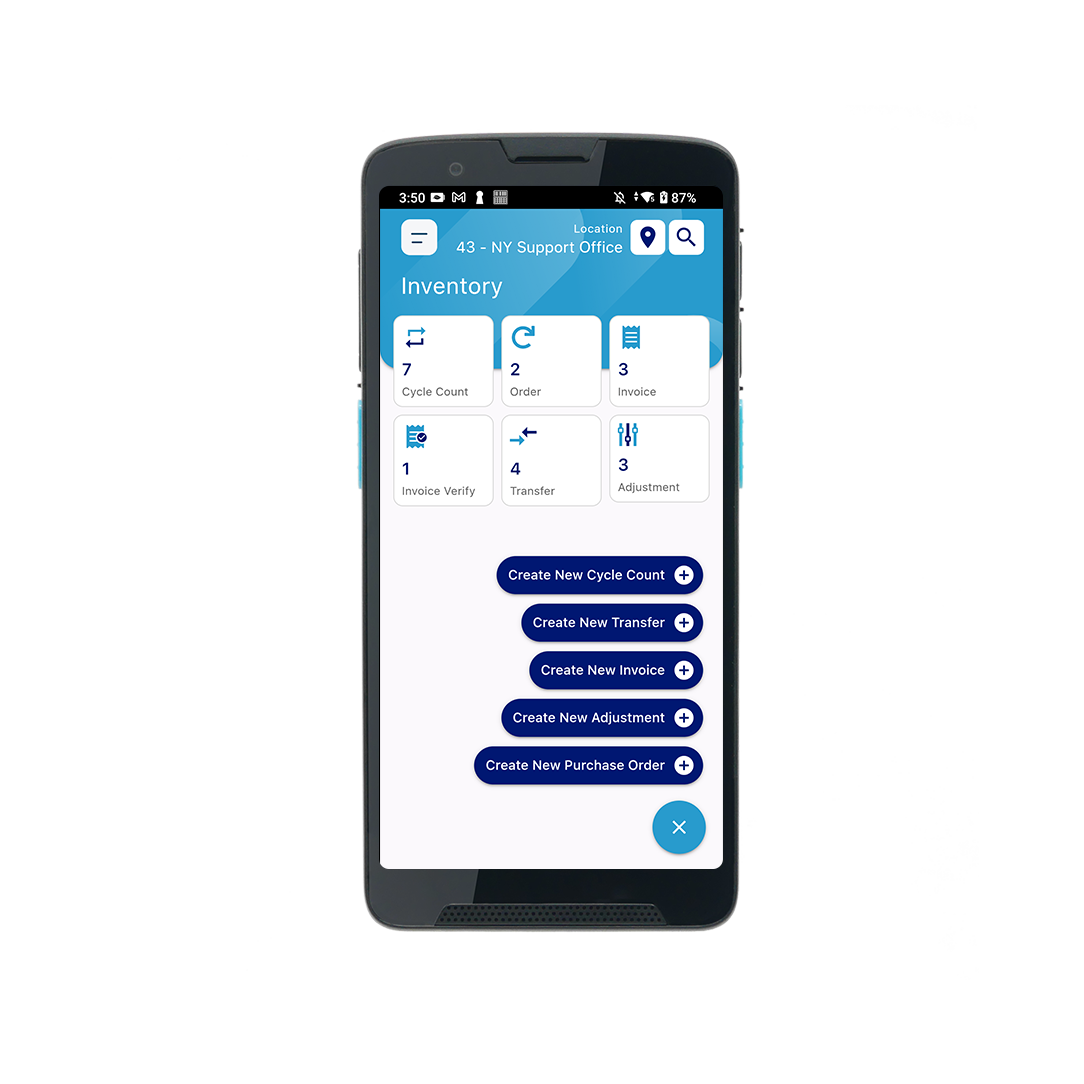
Looking for easier ways to scan products and manage inventory?Take a look at our handheld scanner solution and see how it can help with inventory counts, receiving, and more.
What Does GS1 Sunrise 2027 Mean for Retailers and POS Systems?
For retailers, preparing for this change involves more than having a scanner that can read a different type of barcode. Both checkout hardware and POS software play a role in how 2D barcode information is handled.
POS Hardware Must Support 2D Barcode Scanning
Not every barcode scanner currently used at checkout can read 2D formats. Older laser scanners designed primarily for UPC barcodes may need to be replaced with compatible imaging scanners.
Before purchasing replacement equipment, take a look at what your current scanners can already do. Some scanners already support 2D barcode formats, while others may require firmware updates or new hardware.
If you’re reviewing your checkout equipment, take a look at our hardware options to see what may be available for your store.
POS Software Must Process Additional Barcode Data
A scanner’s ability to read a 2D barcode doesn’t guarantee that the POS system can use all its information. Software must recognize the GTIN for product lookup and, where supported, process additional details such as expiration dates and batch numbers.
GS1’s 2D Barcodes at Retail Point-of-Sale Implementation Guideline provides a closer look at the hardware, software, and processing considerations involved in preparing for 2D barcode scanning at checkout.
How Should Retailers Prepare for GS1 Sunrise 2027?
You don’t have to wait until 2027 to start preparing. A good first step is to review your existing checkout equipment and talk with your POS provider about software compatibility.
Here are five areas worth looking at:
1. Audit Existing Scanners
Check whether current scanners can read QR codes and GS1 DataMatrix symbols. Identify which devices may need firmware updates or replacement equipment.
2. Evaluate POS Compatibility
Ask your POS provider whether its software supports 2D barcode scanning, GTIN extraction, and processing additional product information.
3. Review Hardware Upgrades
If existing scanners aren’t compatible, identify suitable replacements. Look for equipment that supports both 1D and 2D barcode formats.
4. Coordinate With Suppliers
Ask manufacturers and suppliers when they expect to introduce 2D barcodes on product packaging and whether both barcode formats will appear during the transition.
5. Test Checkout Workflows
Test how your POS handles different barcode formats. Verify product lookup, pricing, inventory updates, and any additional information your business intends to use.
The Bottom Line
If you’re considering a new POS system or planning a hardware upgrade, it’s worth keeping 2D barcode support in mind. The important thing isn’t just whether a scanner can read the barcode, but whether the POS system can process the information it contains.
As GS1 Sunrise 2027 approaches, it’s worth taking a closer look at whether your scanners and POS software can handle the additional information these newer barcode formats can carry.
Wondering what GS1 Sunrise 2027 could mean for your POS system?Get in touch with our team. We’d be happy to answer your questions and help you understand what to expect as 2D barcodes become more common in retail.