
Most retailers send the same promotion to everyone. The weekly regular, the customer who bought once two years ago, and the shopper who only ever buys one category all get the same email, text, and push notification.
That rarely works, because a generic promotion doesn’t reflect what a customer likes, how often they shop, or how engaged they are.
A 20% off sale on golf clubs is wasted on a customer who has only bought running shoes.
But a reminder that they’re two visits away from a reward gives them a reason to come back.
You likely already have what you need to do better. Your loyalty program records purchases, reward redemptions, sign-ups, and engagement, and each of those says something about the customer. Use that data, and you can send campaigns based on behavior across email, short message service (SMS), and push notifications.
This guide covers what customer loyalty data to collect, how to segment customers, how to personalize each channel, and five campaigns you can automate with FTx POS and Klaviyo.
Key Takeaways
- Customer loyalty data shows what customers buy, how often they shop, and which rewards and offers they use. Generic promotions can’t tell you any of that.
- Segment before you send. Group customers by purchase frequency, product preferences, and loyalty engagement.
- Pick the channel to fit the message: email for recommendations and detail, SMS for reminders and reward alerts, and push for timely nudges.
- A point-of-sale (POS)-integrated loyalty program links every transaction to a customer profile, so your campaigns reflect what people actually do in store and online.
- Five automations cover the basics: welcome, points and rewards, win-back, birthday and anniversary, and product promotions.
- Check the results regularly. Each round shows you which segments and messages work, so the next campaign can be more precise.
What Is Loyalty Data and Why Does It Matter for Retail Marketing?
Loyalty data is the information you collect about customers through your loyalty program: what they buy, how often they shop, which rewards and coupons they use, and the details they share when they join.
It matters because it shows you what customers actually do, so you don’t have to guess what they want.
Fun Fact: How Airline Miles Helped Loyalty Programs Take FlightWhen American Airlines launched its AAdvantage program in 1981, it was invitation-only. One of its top rewards? A first-class ticket to any destination the airline served. Today, loyalty programs reward customers in all kinds of industries, but the goal remains the same: give them a reason to come back (American Airlines).
Types of Customer Loyalty Data Retailers Should Collect
You don’t need to collect everything. Start with the data that tells you what to send and when.
- Purchase history and product preferences. What someone buys, which categories, and how much they spend show what they like. A customer who keeps picking up premium skincare isn’t going to care about your clearance rack, and the reverse is true too. It also shows which products get bought together, so your recommendations make sense.
- Purchase frequency and visits. If someone comes in every week and then disappears for two months, you want to know. How often they shop, and how long it’s been since their last visit, tells you who’s a regular and who’s fading out.
- Coupons and redemptions. Notice which offers a customer uses and which they skip. Some people love a percentage off; others go for bonus points or a free gift. Once you know which is which, you can stop sending offers that go nowhere.
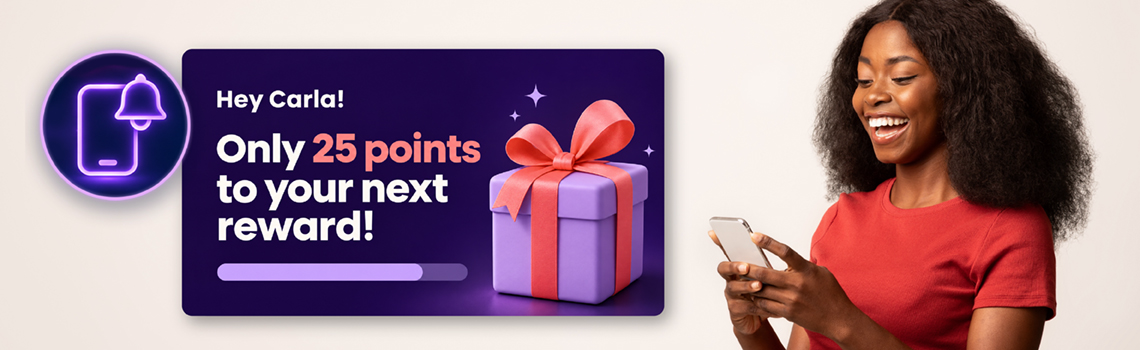
- Loyalty points and reward activity. Point balances and unused rewards show how engaged someone is, and they give you a good excuse to get in touch, like when a customer is close to a reward or one is about to expire.
- Loyalty sign-up date. This tells you when to send the welcome series and mark an anniversary, and it separates new members from the long-timers.
- Birthday. It’s an easy reason to send something personal, as long as the customer chose to share it.
Don’t have many members yet? Here’s how to increase loyalty sign-ups so you have more data to work with.
How POS-Integrated Loyalty Programs Help Collect Customer Insights
Here’s the nice thing about a POS-integrated loyalty program: it does the bookkeeping for you.
When a customer checks out, the purchase, the points they earned, and any reward they used all land on their profile automatically. Nobody types anything in, and you don’t have to match up two systems later.
So you end up with a real picture of each customer: what they buy, how much they spend, how often they come in, and what they do with their rewards.
You don’t need to study all of it. Just use it to decide who gets which message, and when.
Want more ideas for turning checkout data into repeat visits? Read 5 Ways a Point of Sale System Can Increase Customer Loyalty.
How to Segment Loyalty Customers Before Launching Marketing Campaigns
Before you send anything, decide who should get it. Otherwise, you’re right back to sending one message to your whole list.
Here are three ways to split up your customers, and they work even better when you combine them:
Did You Know?Nearly 3 in 4 consumers want personalized loyalty rewards, according to Deloitte Digital.
Segment Customers Based on Purchase Frequency
Start with how often people shop:
- Frequent shoppers buy regularly. Reward them, and go easy on discounts since they’re already coming in.
- Occasional shoppers buy every now and then. A friendly nudge or a small incentive can get them in more often.
- Lapsed customers haven’t purchased in a while. They’re your win-back audience.
Set the time windows to fit your business. A grocery store and a furniture store won’t agree on what “a while” means.
Segment Customers Based on Product Preferences
Look at purchase history and group customers by the categories, brands, or products they buy most.
A pet store can separate dog owners from cat owners. A beauty retailer can separate skincare buyers from makeup buyers. That way your recommendations fit, and you stop promoting things people have never shown interest in.
Segment Customers Based on Loyalty Program Engagement
Check how people use the program itself: how many points they hold, whether they redeem rewards, whether they open and click your messages, and how long they’ve been members.
That helps you tell your engaged members from the ones who joined and never came back.
They need different messages. A member with unused rewards needs a reminder. A member who has never redeemed anything may need a quick explanation of how the program works.
How to Personalize Email Campaigns Using Loyalty Data
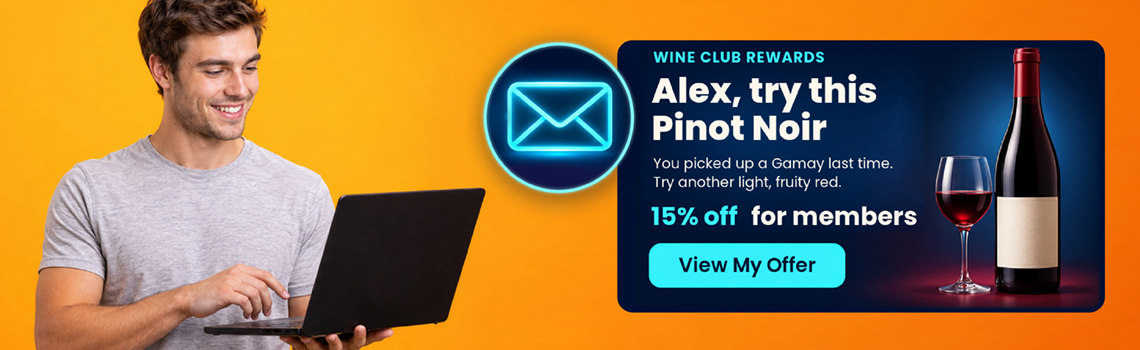
Email gives you space to say a bit more. Use it for recommendations, reward updates, and milestone moments—the messages that benefit from a little detail.
Send Personalized Product Recommendations Based on Purchase History
Suggest what a customer might want next based on what they’ve already bought. Someone who picked up running shoes last month might like socks, insoles, or the next shoe in the line.
Because it comes from a real purchase, it feels helpful instead of pushy.
Send Automated Loyalty Points and Reward Updates
Most people don’t remember how many points they have. A quick email with their balance, how close they are to a reward, or a note that one is ready to use gives them a reason to stop in.
Create Personalized Birthday and Loyalty Anniversary Emails
These are easy to automate, and people like getting them. Send a small gift, bonus points, or a special offer, and mention their history if it fits, like “Thanks for being with us for two years.” They feel like a thank-you, not a sales pitch.
Re-Engage Inactive Customers Through Win-Back Emails
When a customer goes quiet, send an email that mentions their favorite category or the points they’ve saved up, plus an incentive to come back.
If they don’t respond, try one follow-up a week or two later. After that, stop sending so your emails keep reaching inboxes.
How to Use Loyalty Data to Personalize SMS Campaigns
A text gets read fast, which makes SMS perfect for anything time-sensitive. It’s also personal, so keep your messages short, send them sparingly, and always honor opt-in and opt-out requests.
Send Instant Loyalty Reward Notifications
When a customer earns a reward or hits a points milestone, send a quick text right after checkout. It’s a nice little “you did it” moment, and it tells them how to use the reward while they’re still in the store.
Send Targeted Promotions Based on Shopping Behavior
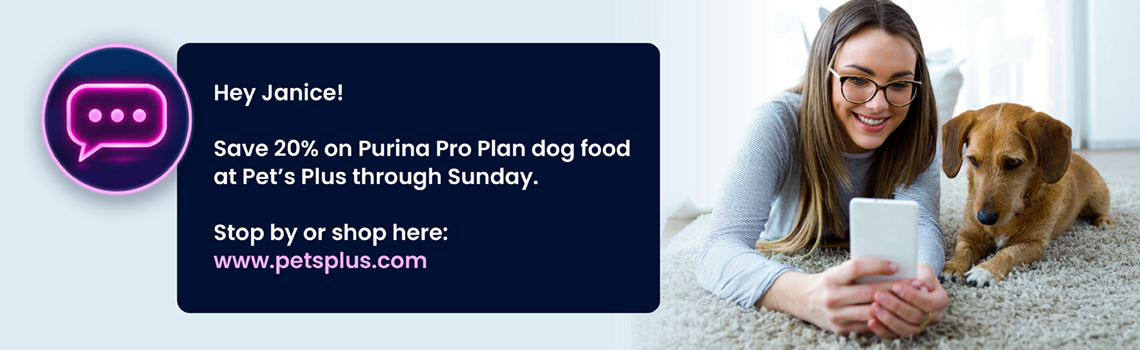
Skip the same-sale-to-everyone text. If a customer always buys dog food, tell them when dog food goes on sale. A few well-aimed texts do more than a flood of generic ones, and fewer people hit “stop.”
Recover Customers Who Have Stopped Visiting
If someone hasn’t been in for a while, send a short, friendly text with a deadline. Mention something specific, like a reward waiting for them, instead of a generic “we miss you.” It reads like a nudge from a shop they like, not a mass message.
Use SMS for Reward Expiration and Redemption Reminders
Texts are perfect for “Heads up, your reward expires Friday.” Send one a few days ahead. The deadline is real, so you don’t need to hype it, and the customer gets the value they earned.
How to Personalize Push Notification Campaigns Using Loyalty Data
Push notifications go to customers who have your app, and they work best when they’re short, well-timed, and actually useful. Think of it as a tap on the shoulder, not a megaphone.
Send Product-Based Recommendations
If a customer has browsed or bought something in your app, a push can point them to a related item, a restock, or a new arrival. One relevant product beats a broad announcement every time.
Notify Customers About Available Loyalty Rewards
Let people know when a reward is ready or when they’re close to one. Push is great for these quick updates, and one tap can take them straight to their rewards screen.
Send Notifications Based on Shopping Frequency
Pay attention to each customer’s rhythm. If someone usually shops every two weeks and it’s been three, a gentle reminder can bring them back. For your frequent shoppers, hold back, because more notifications don’t mean more visits.
Promote Relevant Offers Based on Purchase Categories
Stick to what a customer already buys. If they get a coffee every morning, send the coffee deal, not the housewares sale. Notifications that are useful stay switched on, and ones that aren’t get muted.
5 Practical Loyalty Marketing Campaigns Retailers Can Automate with FTx POS and Klaviyo
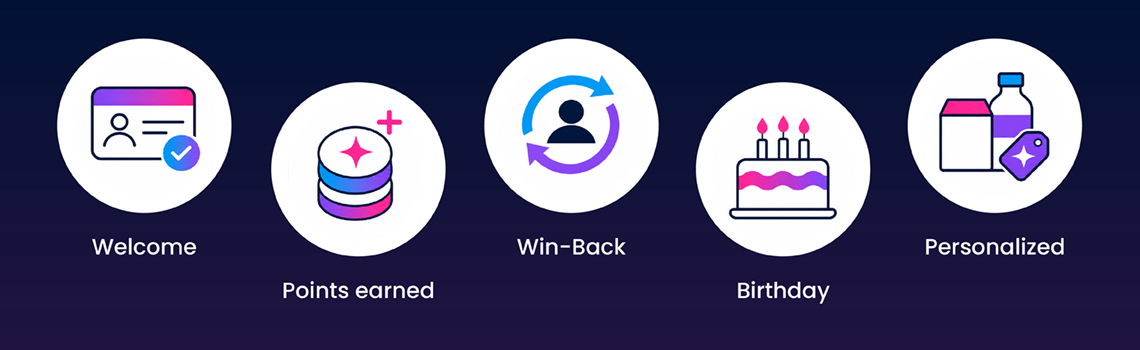
Once your data and segments are in place, here’s the fun part: five campaigns you can set up once and let run in the background.
1. New Loyalty Member Welcome Campaign
Someone just joined, so say hello. A short welcome series can explain how to earn and redeem points and hand them a starting balance or a small welcome offer. People pay the most attention in those first few days, so make the most of them.
2. Points Earned and Reward Redemption Campaign
Every time a customer earns points, gets close to a reward, or cashes one in, give them a quick heads-up. Include their balance and what they’re working toward. It’s an easy way to remind them you’re here and to nudge them toward their next visit.
3. Inactive Customer Win-Back Campaign
We all lose touch with a favorite shop now and then.
Pick an inactivity window that fits how often your customers usually buy, then send an email and a text that feel personal, like a mention of their favorite category or the points they haven’t used.
Add an incentive if it helps. And skip anyone who’s shopped recently, so nobody gets a “we miss you” right after they stopped by.
4. Birthday and Loyalty Anniversary Campaign
Who doesn’t like a little something on their birthday?
Send a note ahead of the big day and another on each membership anniversary. A bonus, a small gift, or early access makes it feel special. Keep it warm, not salesy.
5. Personalized Product and Promotional Campaign
This one pulls it all together.
Use your product-preference segments to send recommendations and offers by email, SMS, or push. Customers get deals on things they’d actually buy, and you stop wasting discounts on stuff they never touch.
How FTx POS and Klaviyo Work Together to Personalize Loyalty Campaigns
Personalization works best when your customer data and your messaging platform are looking at the same information.
Pairing FTx POS with Klaviyo links what happens at the register to what you send afterward.
Connect POS Transactions and Loyalty Data with Klaviyo
Purchases and loyalty activity flow from your POS into Klaviyo, so each customer profile shows what they actually bought and earned. No exports, no spreadsheets.
Sync Customer Loyalty Events to Trigger Automated Campaigns
Joining the program, earning points, reaching a reward, and redeeming one can each trigger a message automatically. The event happens, and the right message goes out on its own.
Build Customer Segments Using Real-Time Loyalty Activity
Segments update as behavior changes. Someone who buys drops out of your win-back group, and someone close to a reward moves into a reminder group.
Automate Personalized Email, SMS, and Push Workflows
Once triggers and segments are set, your channels can work together, like an SMS reward reminder followed by an email if the customer hasn’t acted. Your team gets to spend its time on strategy and creative.
Track Campaign Performance and Optimize Marketing ROI
Watch opens, clicks, redemptions, repeat purchases, and revenue from each campaign to see your return on investment (ROI).
Because purchases tie back to customer profiles through the POS, you can connect your marketing to real in-store and online sales, then test and keep what works.
If you sell both in-store and online, see how omnichannel loyalty programs connect in-store and ecommerce rewards.
Conclusion
Your customer loyalty data already shows what customers buy, what they like, and how engaged they are. That’s what lets you stop sending the same message to everyone and start sending the right one, through the right channel, at the right time.
Segmentation is what makes it work. Group customers by purchase frequency, product preferences, and loyalty engagement before you launch, and every email, text, and push notification will be relevant to the person getting it.
You don’t need to do it all at once. Start with a few segments and one or two automated campaigns, see how they do, and build from there.
FAQs
Use what customers have already shown you they like.
Purchase history, visit frequency, and favorite products tell you what to send, so your promotions feel helpful instead of random.
A coffee deal texted to your morning regular is a good example. So is a reward reminder for someone who hasn’t stopped in lately.
Start with purchase history, favorite products, how often people shop, what they spend, and reward balances. Birthdays, membership anniversaries, and how people responded to past promotions help too.
You don’t need all of it. Collect just enough to make your messages worth opening.
It shows you what customers buy, how often they visit, and which rewards they use, all in one place.
Customer details and reward balances update automatically after each purchase, so you’re never working from stale information.
Email has room for newsletters, product news, and detailed promotions.
SMS is best for quick, time-sensitive messages, like a limited-time deal or a reward reminder.
Push notifications show up on a customer’s phone through your app, which makes them handy for fast promo and reward updates.
Pick the channel that fits the message.
Keep it simple. A few basic details let you group customers into frequent shoppers, occasional visitors, big spenders, and members who haven’t been in for a while.
Then match the offer to the group: an exclusive reward for your regulars, a friendly nudge for the ones who’ve been away.
Send a message when you have something worth sharing, not to fill a slot.
The right pace depends on your audience, channel, and promotion. Watch engagement, unsubscribes, and opt-outs to see what’s working and when to ease off.
Track open rates, click-throughs, reward redemptions, repeat purchases, and sales from each campaign.
If customers are visiting more often or adding more to their baskets, your messages are working. Check results over time to see which offers get the best response.
Yes. Many programs can send a message automatically when a customer earns a reward, hits a spending milestone, or hasn’t visited in a while.
Customers get timely offers, and you skip the manual work.